Learn effective strategies for dropout in neural network to improve model accuracy and prevent overfitting. Boost your AI projects today!

Thinking clearly about data, AI, and intelligent systems.
Learn effective strategies for dropout in neural network to improve model accuracy and prevent overfitting. Boost your AI projects today!
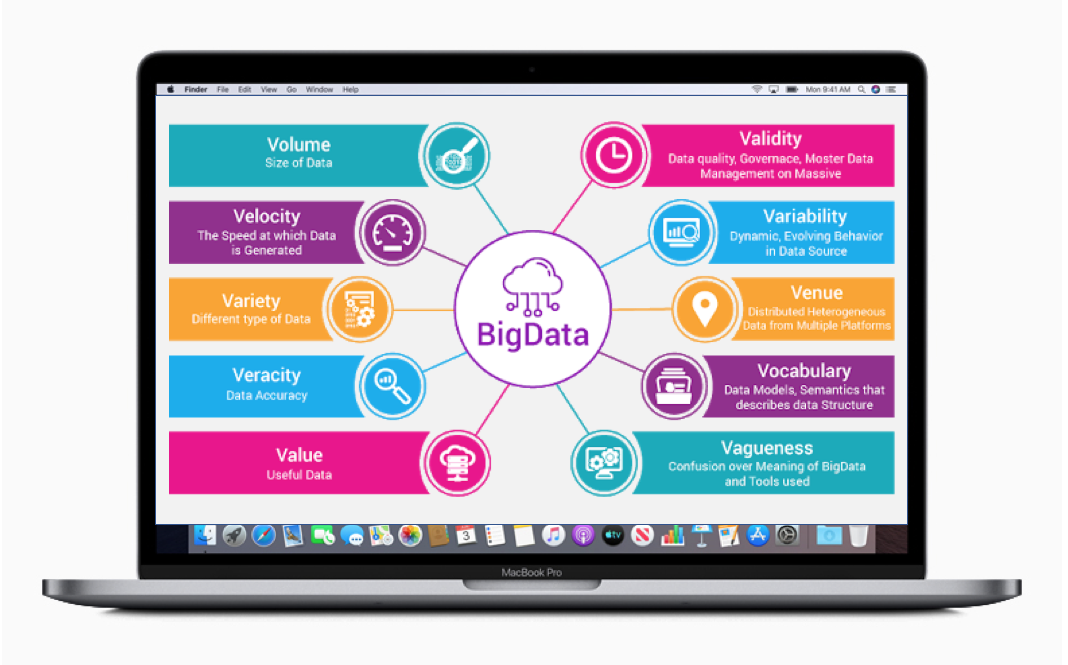
SCALA & SPARK for Managing & Analyzing BIG DATA In this blog, we’ll explore how to use Scala and Spark to manage and analyze Big Data effectively. When I first entered the Big Data world, Hadoop was the primary tool. As I discussed in my previous blogs: [What’s so BIG about Big Data (Published in 2013)] [Apache Hadoop 2.7.2 on macOS Sierra (Published in 2016)] Since then, Spark has emerged as a powerful tool, especially for applications where speed (or “Velocity”) is essential in processing data. We’ll focus on how Spark, combined with Scala, addresses the “Velocity” aspect of Big…

🧠 What Are Neural Networks? At the heart of deep learning lies the neural network—a mathematical model inspired by the human brain’s structure. These networks are made up of layers of artificial neurons that pass information from one layer to the next. Each neuron receives input, performs a weighted computation, and passes it to the next layer through an activation function. Neural networks are particularly well-suited to learning non-linear relationships from data. They allow machines to detect intricate patterns in images, audio, or text—without explicitly being programmed for the task. A basic neural network includes an input layer, one or…
Getting Started with Machine Learning (ML) Machine learning projects typically follow a series of steps: data collection, data preprocessing, model selection, training, and evaluation. Here’s a breakdown of essential concepts and project ideas to help you get started. 1. Data Collection and Preprocessing Data is the foundation of any ML project. Collecting relevant, high-quality data ensures models have the information needed to identify patterns. Preprocessing steps—such as cleaning, normalization, and handling missing values—prepare raw data for analysis. Project Example: Predicting House Prices Using the famous Boston housing dataset, you can start by cleaning data and then normalizing it to improve…
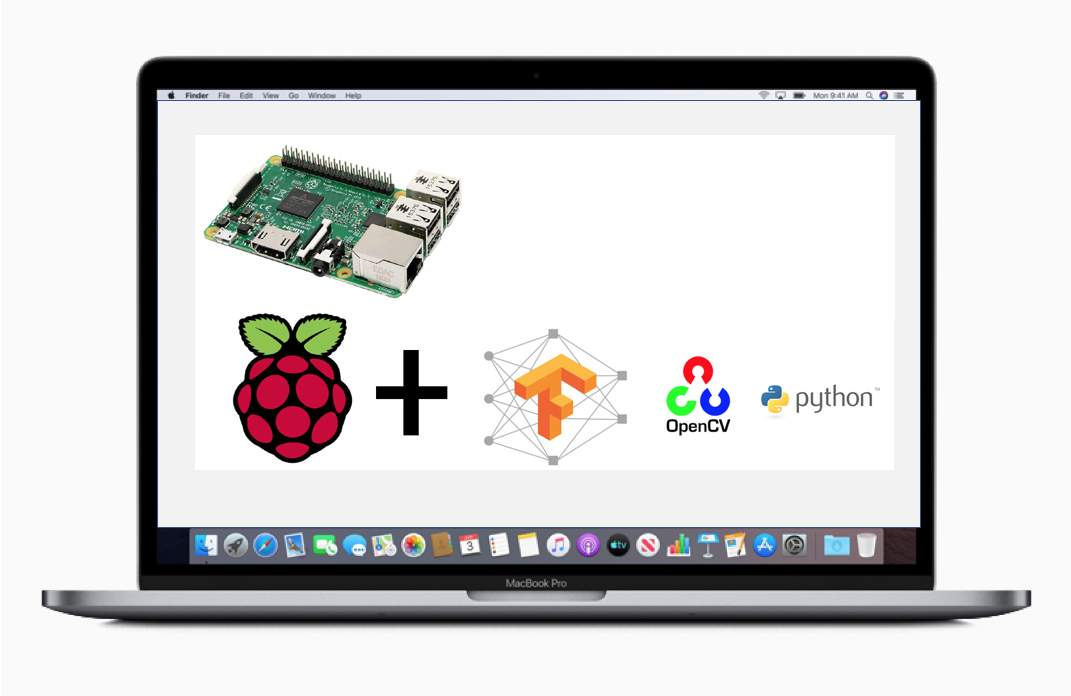
Preparing Raspberry Pi Raspberry Pi 3B+ or Raspberry Pi 4 (4 or 8 GB model). I have used 3B+ Kinshuk Dutta New York
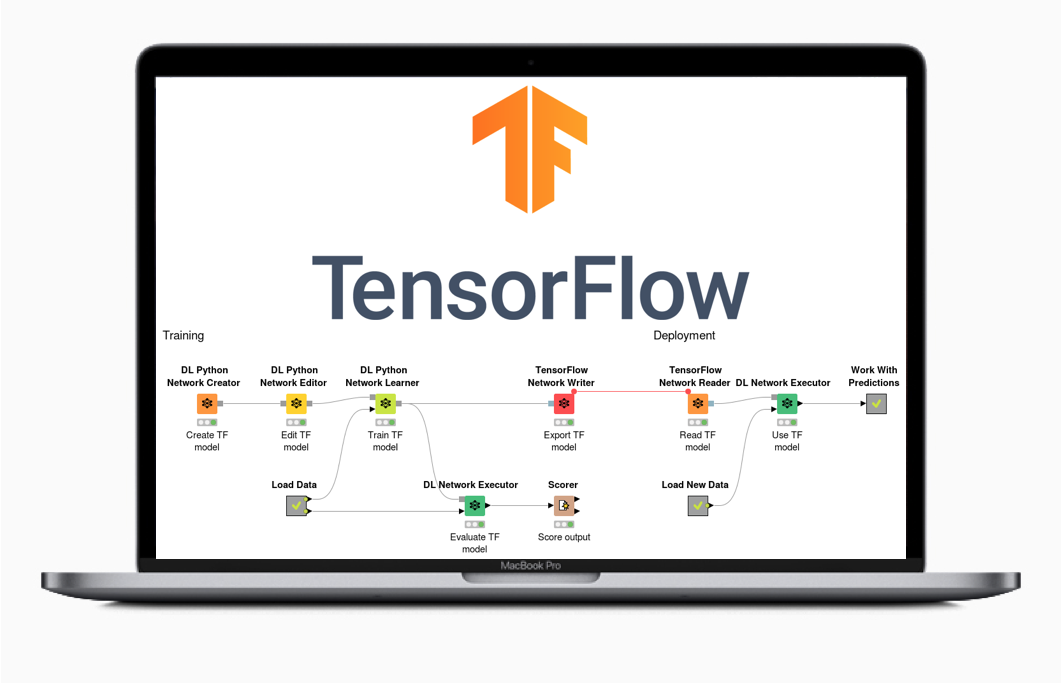
What is Deep Learning? As we saw in our previous blog AI – Machine Learning & Deep Learning that deep learning is a subfield of machine learning. While both fall under the broad category of artificial intelligence, deep learning is what powers the most human-like artificial intelligence. In this blog, we will make an attempt to learn the basics of Google’s deep learning framework using TensorFlow and Python. What is TensorFlow In order to implement Machine Learning, TensorFlow provides software libraries to create a computational graph. I selected TensorFlow mainly because of my love for open source. You can get more information…

Python Basics (Python v3.2.5) This blog is a comprehensive introduction to Python, covering what Python is, how to install and use it, along with practical scenarios, sample projects, and valuable tips. The goal is to give readers a hands-on understanding and prepare them to tackle real-world Python tasks confidently. What is Python? Python is an interpreted, high-level, general-purpose programming language. Known for its readable syntax and versatility, Python is used across various domains, from web development to scientific computing. Created by Guido van Rossum and first released in 1991, Python’s design philosophy emphasizes simplicity and readability, with significant whitespace usage.…