Discover essential tips for automating data pipelines. Learn tools, best practices, and strategies to streamline your data workflows efficiently.


Thinking clearly about data, AI, and intelligent systems.
Discover essential tips for automating data pipelines. Learn tools, best practices, and strategies to streamline your data workflows efficiently.

Why Data Integration Is Still a Challenge Data integration offers immense potential, but significant challenges remain. This listicle identifies eight key data integration challenges hindering organizations in 2025 and beyond. Learn how to overcome obstacles like data quality, security, legacy systems, scalability, semantic heterogeneity, technical diversity, real-time requirements, and data governance. Understanding these challenges is crucial for leveraging data effectively for improved decision-making and operational efficiency. This list provides practical insights to help you successfully navigate these complexities. 1. Data Quality and Consistency Data quality and consistency is a paramount challenge in data integration. When combining data from various sources…
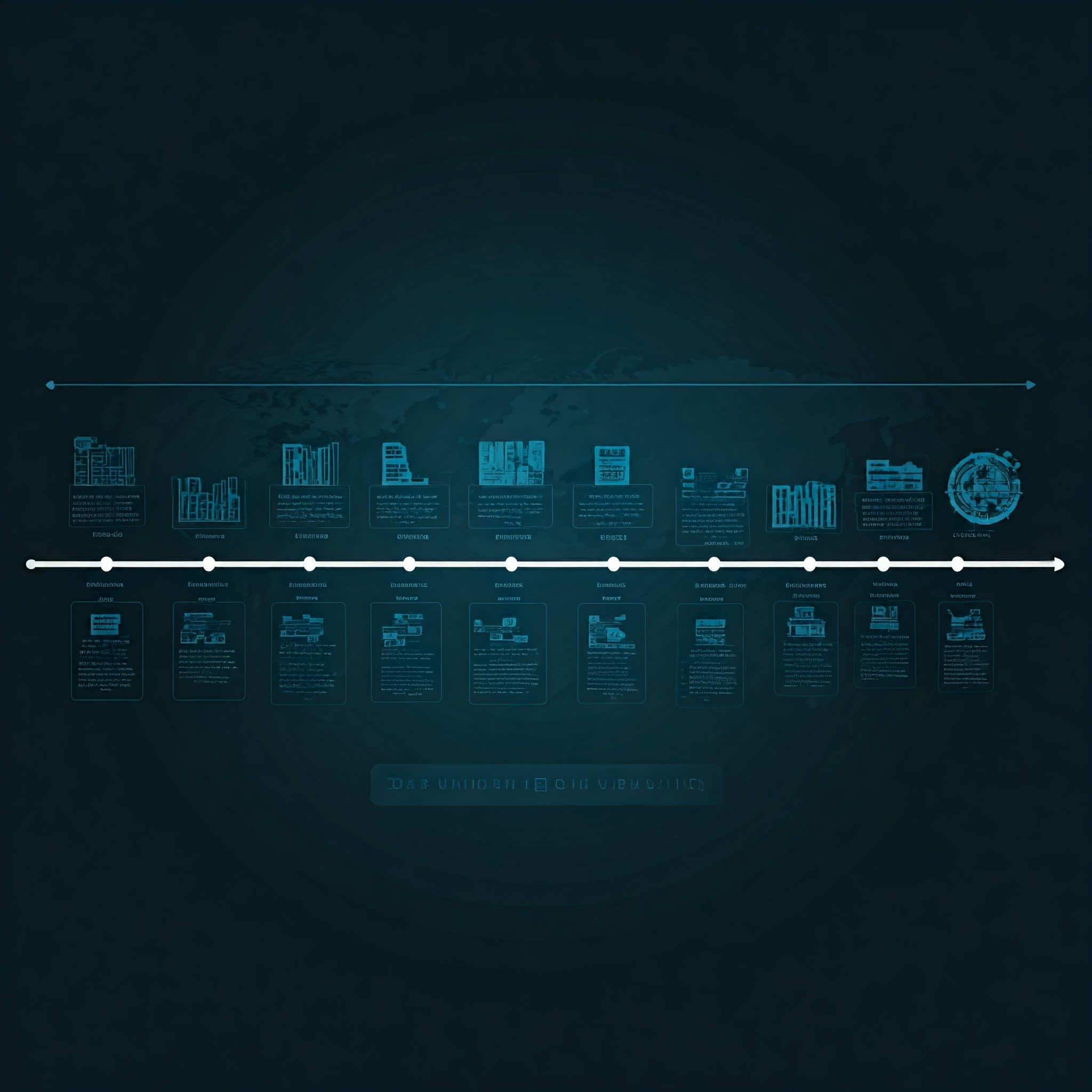
Introduction: A Decade of Big Data Blogging When I began writing about Big Data in 2013, it was an exciting new frontier in data management and analytics. My first blog, What’s So BIG About Big Data, introduced the core pillars of Big Data—the “4 Vs”: Volume, Velocity, Variety, and Veracity. As the years passed, I expanded into related topics with posts like Introduction to Hadoop, Hive, and HBase, Data Fabric and Data Mesh, and Introduction to Data Science with R & Python. Each blog marked the evolution of Big Data and reflected the shifting focus in the field as data…

Introduction: Enhancing Trino Performance In our journey with Trino, we’ve explored its setup, integrated it with multiple data sources, added real-time data, and expanded to cloud storage. To wrap up, we’ll focus on strategies to improve query performance. Specifically, we’ll implement caching techniques and apply performance tuning to optimize queries for frequent data access. This final post aims to equip you with tools for building a highly responsive and efficient Trino-powered analytics environment. Goals for This Post Implement Caching for Frequent Queries: Set up a local cache for repeated queries to reduce data retrieval times and resource consumption. Tune Query…
Introduction: Scaling Data with Cloud Storage In the previous blogs, we explored building a sample project locally, optimizing queries, and adding real-time data streaming. Now, let’s take our Trino project a step further by connecting it to cloud storage, specifically Amazon S3. This integration will showcase how Trino can handle large datasets beyond local storage, making it suitable for scalable, cloud-based data warehousing. By connecting Trino to S3, we can expand our data analytics project to manage vast datasets with flexibility and efficiency. Project Enhancement Overview Goals for This Blog Post Integrate Amazon S3 with Trino: Configure Trino to access…
Introduction: Building on the Basics In our last blog, we set up a local Trino project for a sample use case—Unified Sales Analytics—allowing us to query across PostgreSQL and MySQL databases. Now, we’ll build on this project by introducing optimizations for query performance, configuring advanced settings, and adding a new data source to broaden the project’s capabilities. These enhancements will simulate a real-world scenario where data is frequently queried, requiring efficient processing and additional flexibility. Project Enhancement Overview Goals for This Blog Post Optimize Existing Queries: Improve query performance by using Trino’s advanced optimization features. Add a New Data Source:…
Why a Trino Series Instead of Presto? If you followed the initial post in this series, you may recall we discussed the history of Presto and its recent transformation into what is now known as Trino. Originally developed as Presto at Facebook, this powerful SQL query engine has seen an incredible journey. The transition to Trino represents the evolution of PrestoSQL into a more robust, community-driven platform focused on advanced distributed SQL features. The rebranding to Trino wasn’t merely a name change—it reflects a shift toward greater community collaboration, improved flexibility, and extended support for analytics across a wide variety…

Introduction: My Journey into Presto My interest in Presto was sparked in early 2021 after an enriching conversation with Brian Luisi, PreSales Manager at Starburst. His insights into distributed SQL query engines opened my eyes to the unique capabilities and performance advantages of Presto. Eager to dive deeper, I joined the Presto community on Slack to keep up with developments and collaborate with like-minded professionals. This blog series is an extension of that journey, aiming to demystify Presto and share my learnings with others curious about distributed analytics solutions. What is PRESTO Presto is a high performance, distributed SQL query…
The Power of Scala in Data-Intensive Applications: Concluding the Series Originally posted January 2019 by Kinshuk Dutta After exploring Scala’s core functionalities, from basics to advanced concepts, we’re concluding this series by demonstrating how to bring everything together into a robust, scalable project. Scala’s versatility has made it a popular choice across industries, from fintech to retail, where companies harness its functional programming and concurrency features to handle data-intensive applications. This blog includes: An overview of how companies use Scala for a competitive edge. Tips, tricks, and best practices. Recommended resources to dive even deeper into Scala. A final, comprehensive…
Error Handling and Fault Tolerance in Scala: Utilizing Try, Either, and Option Originally posted December 12, 2018 by Kinshuk Dutta Welcome back to the Scala series! In our last post, we explored concurrency with Futures and Promises. Now, we’ll delve into error handling and fault tolerance, using Try, Either, and Option in Scala. These tools allow us to handle failures gracefully and create resilient applications. In this blog, we’ll cover error handling fundamentals, illustrate usage with examples, and introduce a sample project: a File Processing System that reads, validates, and processes data from various files, handling errors at each step.…