
Introduction Back in 2013, I began blogging about Big Data, diving into the ways massive data volumes and new technologies were transforming industries. Over the years, I’ve explored various aspects of data management, from data storage to processing frameworks, as these technologies have evolved. Today, the conversation has shifted towards decentralized data architectures, with Data Fabric and Data Mesh emerging as powerful approaches for enabling agility, scalability, and data-driven insights. In this blog, I’ll discuss the core concepts of Data Fabric and Data Mesh, their key differences, and their roles in modern applications. I’ll also share a bit of my…
-
-

Kinshuk Dutta New York
-

-

Master Data Management (MDM) Solutions for the Finance Industry: A Pathway to Operational Excellence In today’s financial landscape, data has become the cornerstone of decision-making, compliance, and operational efficiency. For financial institutions, managing data effectively is not just a competitive advantage—it’s essential for survival in a highly regulated and data-driven environment. Master Data Management (MDM) offers a structured approach to consolidating and governing critical data, ensuring that it remains accurate, consistent, and readily available across the organization. MDM solutions allow financial institutions to build a single source of truth for their most important data assets, such as customer information, legal…
-
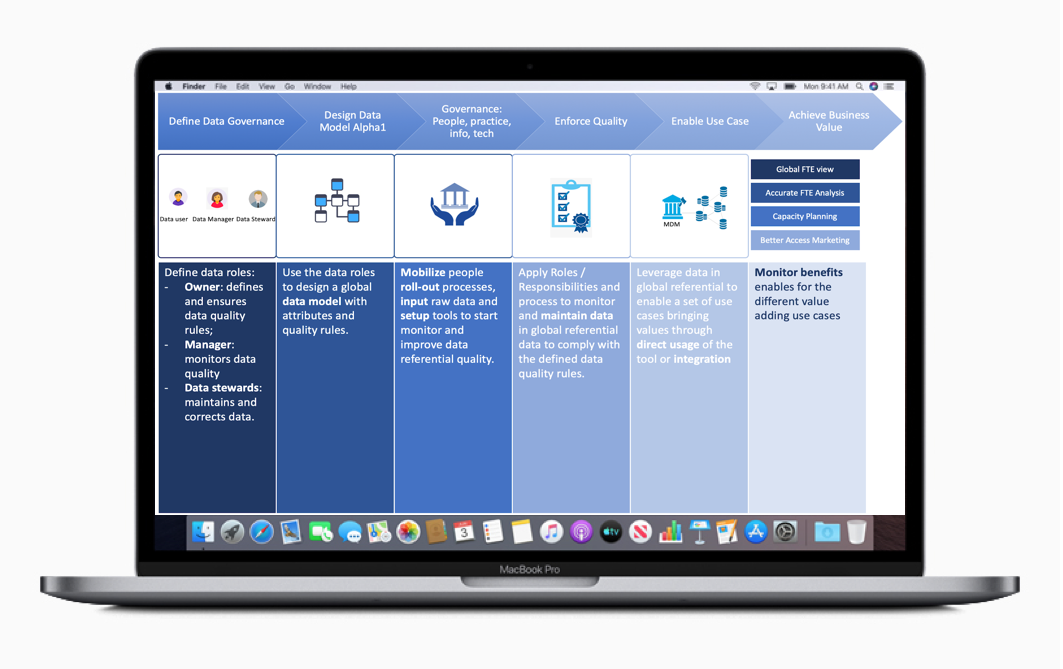
Choose- What’s right for you… Not what you are lured with!! We are often confused by our needs. Sometimes we do not have options and have to trust what we get as the best and some other times we are showered with so many offers that we are not sure whether what we are choosing is actually what we want. Brand names, attractive features, extravagant style often blinds our judgment and we end up with a rather overpriced superficially complex, and high-maintenance seeking product. Typical MDM Project – Business Value realization The goal of any MDM implementation…
-

What are the different classification of Data? Data can be widely classified as: Transactional Data Master Data Reference Data Meta Data Analytical Data What is Master Data? Master data is typically persistent, non-transactional data utilized by multiple systems that define the primary business entities. Master Data may include data about customers, products, employees, inventory, suppliers, and sites. What is Data Profiling? Data profiling is the process of examining the data available from an existing information source and collecting statistics or informative summaries about that data. They are widely categorized as Structure discovery Content Discovery & Relationship Discovery In order to…
-
What is Master Data Management It’s the process of managing “Master Data”. Master Data Management is a technology-enabled discipline in which business and Information Technology work together to ensure the uniformity, accuracy, stewardship, semantic consistency, and accountability of the enterprise’s official shared master data assets. Wikipedia What is Master Data Enterprize data can be broadly categorized as : Transactional data are the elements that support the on-going operations of an organization and are included in the application systems that automate key business processes. This can include areas such as sales, service, order management, manufacturing, purchasing, billing, accounts receivable, and accounts…
-

The foundation of a successful EBX5 project is a well-structured series of workshops and activities that align business and IT teams with the project goals. The first critical step in this process is the Project Kickoff, where the objectives, roles, and key deliverables are clearly defined. 1. Project Kickoff: Setting the Stage for Success The project kickoff is where both business and IT teams come together to define the project’s scope, set expectations, and ensure alignment on key goals. Here are the major components of the kickoff phase: Project Scope Reminder (Business and IT Goals): During the kickoff, it’s essential…
-
What is EBX5? EBX5 is a powerful Master Data Management (MDM) platform that helps organizations manage, govern, and synchronize their critical data assets. Whether dealing with master data, reference data, or metadata, EBX5 offers a centralized approach for managing these data classes, ensuring consistency, accuracy, and compliance across all systems. In this blog series, we will dive deep into the project methodology for successfully implementing EBX5 in an organization, ensuring seamless onboarding and integration of data classes. Data Classes in EBX5 EBX5 is designed to manage multiple types of data, including: Master Data: Data central to business operations, such as…
-
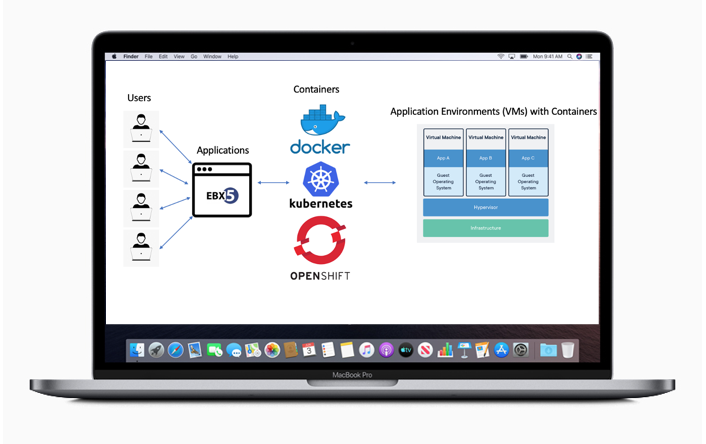
Chapter 1: Introduction In our previous blog of this series we have established the fact that EBX can be deployed as a container. We deployed EBX on Docker to achieve our goal, in continuation to the same we will see how can we use OpenShift for the same purpose. What is OpenShift OpenShift is a family of containerization software products developed by Red Hat. Its flagship product is the OpenShift Container Platform — an on-premises platform as a service built around Docker containers orchestrated and managed by Kubernetes on a foundation of Red Hat Enterprise Linux. The family’s other products provide this platform through different environments: OKD serves as the community-driven upstream (akin to the way…