
💡: “Ever wondered how AI models make complex decisions? As AI increasingly influences our lives, understanding the ‘why’ behind those decisions is critical. Let’s demystify it with Explainable AI (XAI).” As AI becomes integral to high-stakes fields like finance, healthcare, and hiring, the demand for transparency has grown. My recent blog, “Building Ethical AI: Lessons from Recent Missteps and How to Prevent Future Risks”, sparked considerable interest in Explainable AI (XAI), with readers eager to dive deeper into understanding and implementing these tools. This blog kicks off a new series on XAI, breaking down tools and techniques to help make…
-
-

As our use of AI evolves, so do the challenges. The recent reports by Stanford University’s Human-Centered Artificial Intelligence Institute and Our World in Data has claimed that the annual number of reported artificial intelligence (AI) incidents and controversies has seen a significant increase over the past decade. According to data from Our World in Data, there were 3 reported incidents in 2012, which escalated to 78 incidents in 2023. This represents a 26-fold increase over this period. Even IBM Institute for Business Value quoted Executives ranking AI ethics as important jumped from less than 50% in 2018 to nearly…
-

Introduction: What Is Generative AI? 📌 Icon Insight: Generative AI is a transformative technology that creates content from scratch, including text, images, and code. Generative AI is redefining innovation across industries. Unlike traditional AI systems that recognize patterns or make predictions, generative AI is capable of producing entirely new content. This makes it a key driver in fields like content creation, healthcare, finance, and customer engagement. 🔍 Key Takeaway: Generative AI expands the boundaries of creativity, enabling machines to co-create with humans. Key Investment: Amazon’s $4 Billion Bet on Anthropic 💰 Amazon recently invested $4 billion in Anthropic, a company…
-

Introduction Large Language Models (LLMs) are revolutionizing Natural Language Processing (NLP), enabling machines to generate and interpret human language with unprecedented accuracy and creativity. But what are LLMs, and how do they differ from traditional NLP? This blog will guide you through the essentials of NLP and LLMs, explain why LLMs are gaining popularity, and even show you how to create a simple, data-driven AI tool on your Mac. Whether you’re a tech enthusiast or an AI professional, this guide will help you understand and leverage the transformative power of LLMs. 1. What is NLP, and Why is it Used?…
-

The Moment the World Realized AI Could “Think” It’s just before midnight on November 30, 2022, and something extraordinary is unfolding. ChatGPT was released to the public earlier today, and like many across the world, I’ve spent hours interacting with it—testing its reasoning, pushing its boundaries, and watching it respond with an uncanny sense of logic, memory, and conversational flow. This very day made something abundantly clear: Machines can now simulate thought—with startling fluency. If you’ve followed my earlier explorations on AI vs ML vs DL or Tokenization in NLP, you’ve seen how machines learn and process language. But today’s…
-

Introduction Natural Language Processing (NLP) is a field of artificial intelligence that focuses on the interaction between computers and human language. In recent years, a significant advancement in NLP has been the development of Large Language Models (LLMs), which have dramatically improved the ability of machines to understand and generate human-like text. This blog aims to provide a foundational understanding of NLP and LLMs, their interconnection, and the transformative impact they have on various applications. What Is Natural Language Processing (NLP)? NLP is a subfield of AI that enables machines to read, interpret, and generate human language. It encompasses a…
-
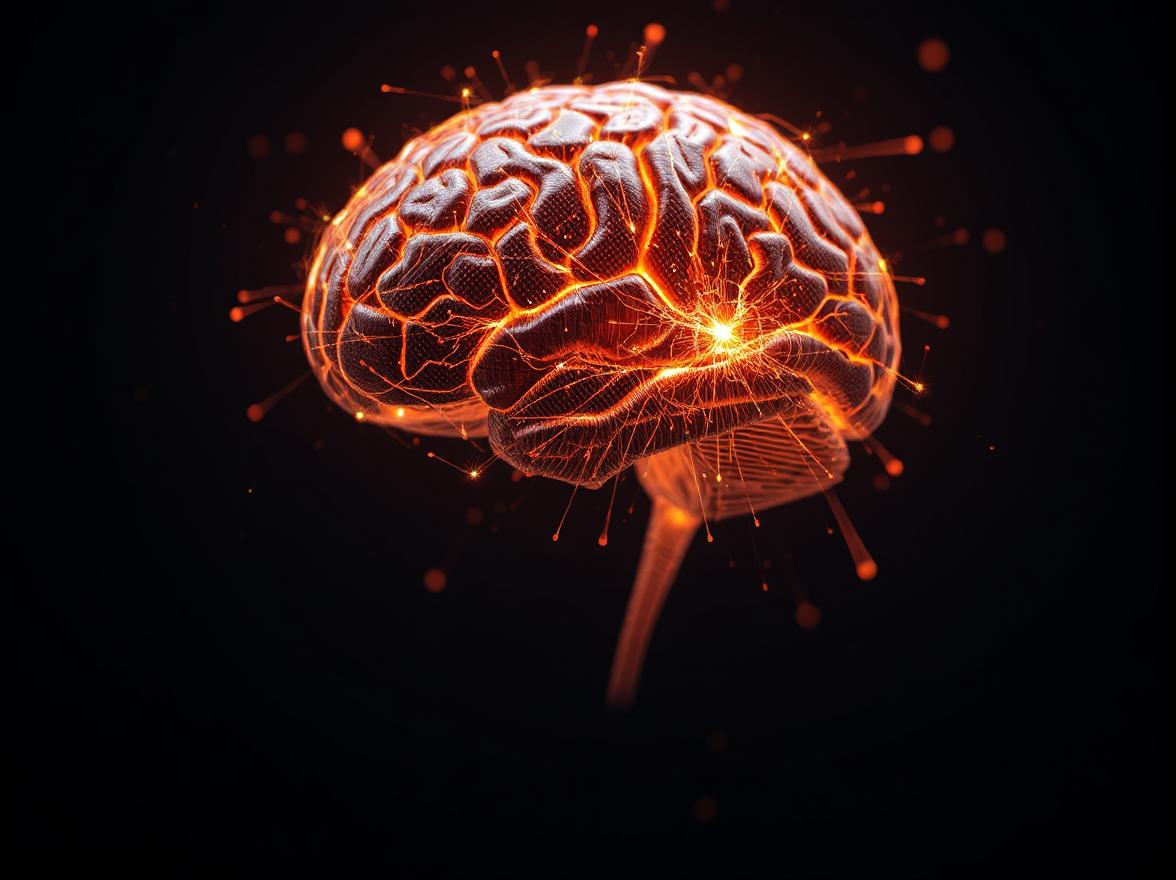
Introduction: From Brains to Bytes In our previous post on AI, Machine Learning, and Deep Learning, we explored how machines can be trained to learn from data. One of the key driving forces behind this capability is a computational structure inspired by the human brain—Neural Networks. But what exactly are neural networks, and why have they become so central to modern AI? Let’s break it down in simple terms. What Is a Neural Network? A Neural Network is a series of algorithms that attempt to recognize patterns in data, similar to how our brains process information. It’s called a “network”…
-

Getting Started with Machine Learning (ML) Machine learning projects typically follow a series of steps: data collection, data preprocessing, model selection, training, and evaluation. Here’s a breakdown of essential concepts and project ideas to help you get started. 1. Data Collection and Preprocessing Data is the foundation of any ML project. Collecting relevant, high-quality data ensures models have the information needed to identify patterns. Preprocessing steps—such as cleaning, normalization, and handling missing values—prepare raw data for analysis. Project Example: Predicting House Prices Using the famous Boston housing dataset, you can start by cleaning data and then normalizing it to improve…
-

Learn ARIMA in Python with expert tips on implementation, tuning, and real-world forecasting challenges. Boost your skills today!