
• Big Data

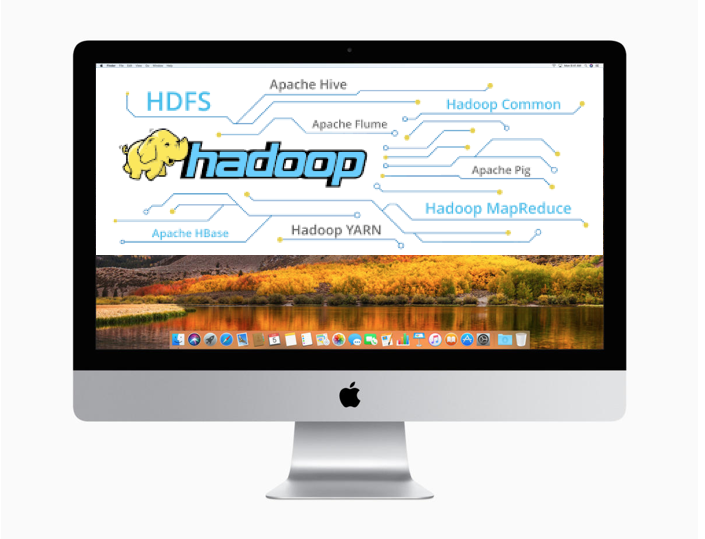
    Introduction to Hadoop, Hive, and HBase

    Introduction to Hadoop, Hive, and HBase Objective By the end of this guide, you will have installed Hadoop, Hive, and HBase on your Mac, and you’ll be ready to start implementing Big Data projects. This blog covers installation steps, configuration instructions, a proposed architecture framework, sample projects, and suggestions for further learning. Table of Contents Introduction to Hadoop, Hive, and HBase Setting Up Hadoop, Hive, and HBase on macOS Sierra Prerequisites Installing Hadoop Installing Hive Installing HBase Proposed Architecture Framework Sample Project: Log Analysis with Hadoop, Hive, and HBase Data Flow Architecture Diagram Project Folder Structure Next Steps in Learning…
  • Big Data - Enterprise Application Integration - iPaaS - KAFKA - Integration - Event Streaming

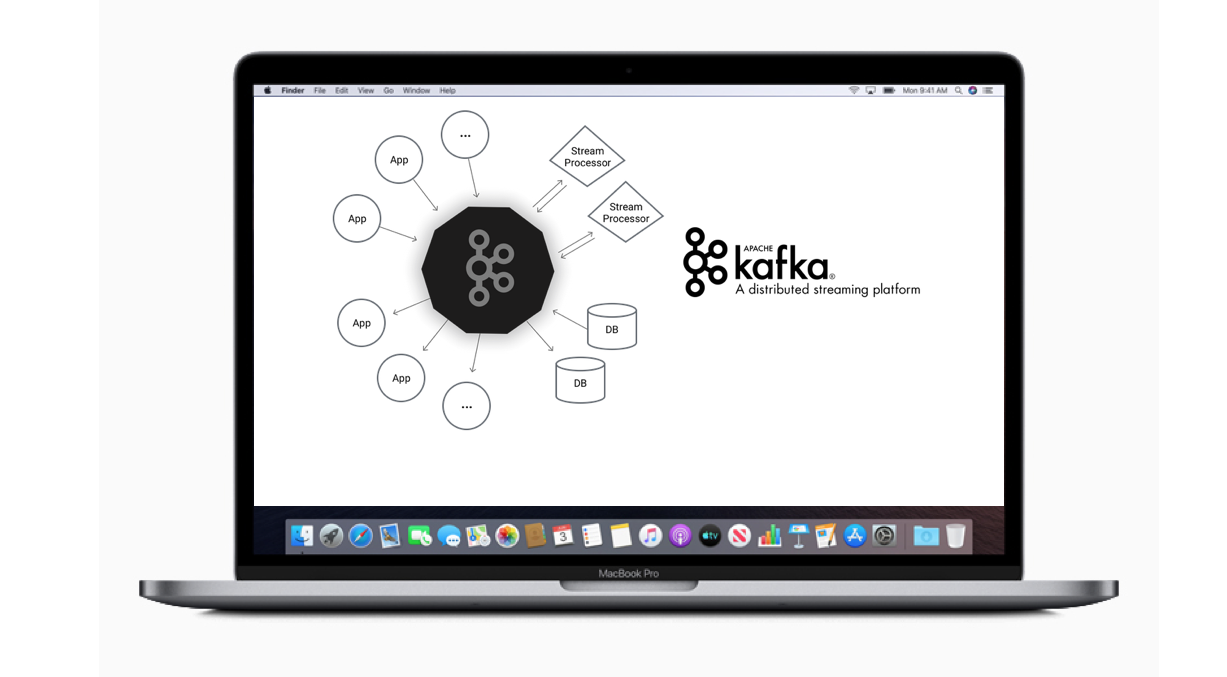
    Advanced Kafka Configurations and Integrations with Data-Processing Frameworks

    Advanced Kafka Configurations and Integrations with Data-Processing Frameworks June 10, 2016 by Kinshuk Dutta (Follow-up to Kafka Basics, originally posted 2014-12-08) In our previous blog, Kafka Basics (posted December 2014), we covered the fundamentals of Apache Kafka—its core architecture, APIs, and essential operations. Today, we’re advancing the series to explore Kafka’s robust configuration options and integration capabilities with popular data-processing frameworks like Apache Spark, Apache Flink, and Apache Storm. Kafka has matured into an essential tool for building complex data pipelines, offering unmatched reliability and flexibility for real-time analytics at scale. This guide will help you optimize Kafka configurations, enhance…

  • Big Data

    What’s so BIG about Big Data

    What’s So BIG About Big Data? BIG DATA: The Big Daddy of All Data Big Data is a transformative field that enables the analysis, extraction, and systematic handling of massive datasets that are beyond the capabilities of traditional data-processing tools. It has reshaped industries, research, and business decision-making by offering insights from vast amounts of information, revealing patterns, trends, and correlations on an unprecedented scale. Characteristics of Big Data Big Data is generally defined by four main characteristics, known as the 4 Vs: Volume, Variety, Velocity, and Veracity. Here’s a breakdown of each: Volume: This refers to the massive quantity…