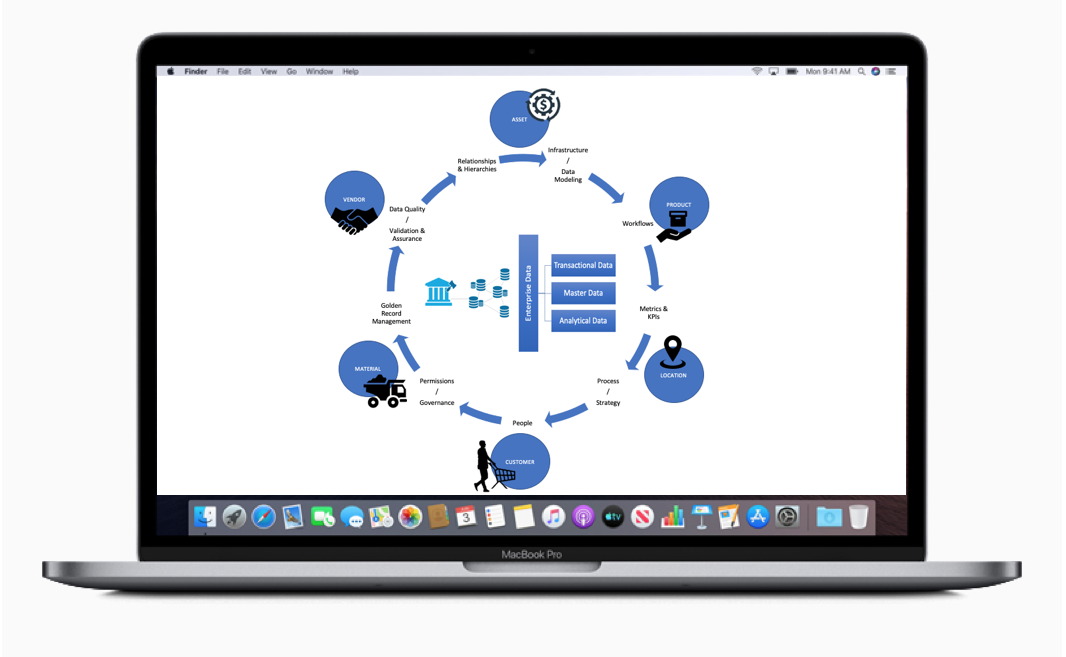
Data modeling and security are at the heart of any successful master data management project, and EBX5 provides powerful capabilities to address these needs. In this post, we’ll explore how EBX5 supports organizations in building robust data models and securing their data, ensuring that data governance, accuracy, and compliance are maintained. 1. Data Modeling in EBX5 EBX5’s data modeling capabilities are designed to meet the needs of both business and IT teams, enabling collaboration to create a data model that reflects real-world business requirements while adhering to technical standards. Here’s how EBX5 supports effective data modeling: Flexible Data Structures: EBX5…
-
-
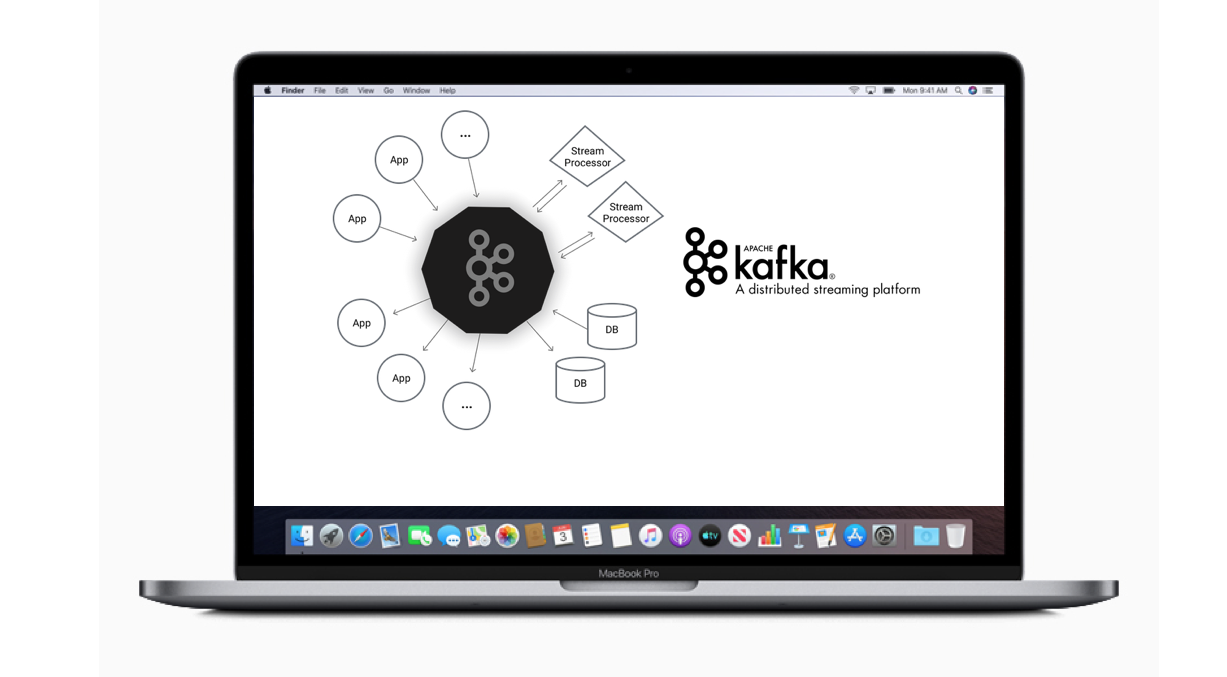
Apache Kafka has transformed the world of data streaming and event-driven architectures. In this blog, we’ll dive into Kafka’s fundamentals and build a step-by-step sample project to demonstrate its capabilities. This project will showcase Kafka’s distributed nature and streaming potential, giving you a practical approach to setting up, running, and testing a Kafka cluster on macOS. Table of Contents Kafka Basics What is Kafka Kafka System Architecture Kafka API Why Kafka Installing Kafka on macOS Basic Operations Starting Kafka and ZooKeeper Creating a Topic Sample Project: Kafka Real-Time Data Pipeline Project Structure Creating Producers and Consumers Testing the Kafka Pipeline…
-
Is This the Right Match? Exploring String Matching Algorithms and How We Compare Human beings are one of nature’s most sophisticated examples of engineering. When it comes to finding the “right match,” we possess countless tools within our own minds. These tools, or matching algorithms, are so intricately coded into our brains that we use them constantly, without even realizing their complexity—because we are overwhelmed by their simplicity. In computing, however, matching engines are not so invisible. When we talk about matching and merging in the digital world, we are quantifying and qualifying data. This data becomes actionable information through…
-
[Multi – Domain] Master Data management My blog started with the concept of MDM explained in Master Data Management (CDI/IR/PIM) published in 2008. I will try to redefine some of the terms from the previous MDM blog. Master Data: It is the information that may include data about customers, products, employees, materials, suppliers, etc. often it is non-transactional in nature. In the context of MDM, master data can support transactional processes and operations also. Business-wise the analytics/reporting of an enterprise greatly depends on its master data. Master data is often used by several functional groups and stored in different data…
Statista 2026 raporuna göre, dünya çapındaki kumar kullanıcılarının %72’si 18 ile 44 yaş aralığındadır; bu grup bettilt giriş kullanıcılarının büyük bölümünü oluşturur.